Key Takeaways from EWB-USA's 2026 National Conference, Building Tomorrow Together
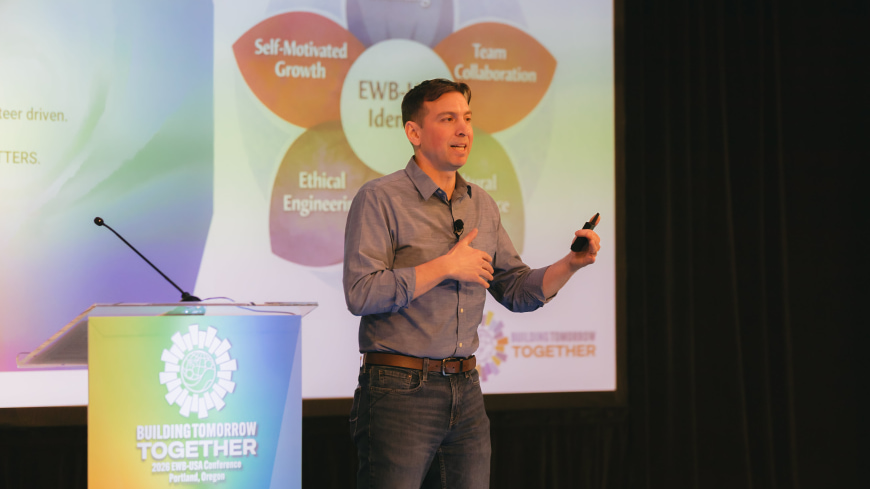
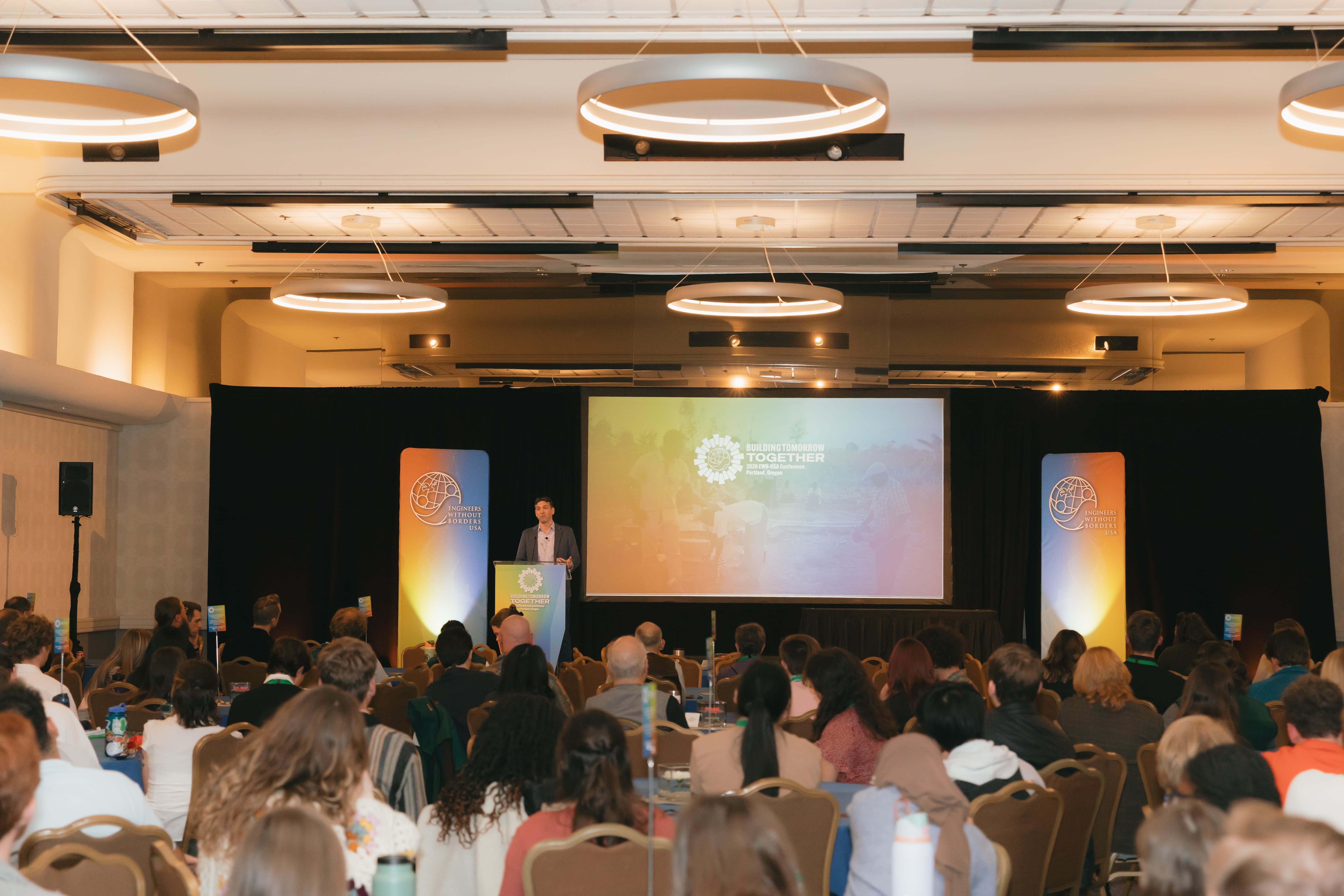
Last week, I had the opportunity to attend the 2026 Engineers Without Borders (EWB-USA) Conference in Portland, Oregon.
Here are a few key takeaways that resonated with me:
Engineering for continuity, not just implementation: A successful design isn’t one we install and leave; it’s one communities can maintain, adapt, and sustain long after we’re gone. This means ensuring we communicate with the community from the beginning of the project so they understand the impact of our work and how to maintain it after it is implemented. It is also important to develop a relationship rather than an acquaintance with local partners to foster trust between the two parties.
Design with, not for: Local communities understand their environment, constraints, and priorities better than any outside engineer. Early and continuous stakeholder communication leads to better, more widely adopted solutions rather than solutions that go unused because they address the engineer's perceived problem rather than the actual underlying issue.
Systems thinking matters: Realizing that water, energy, and food systems are interconnected, the goal of EWB’s Nexus initiative is to implement an integrated design approach rather than designing in isolation, leading to longer-lasting impact.
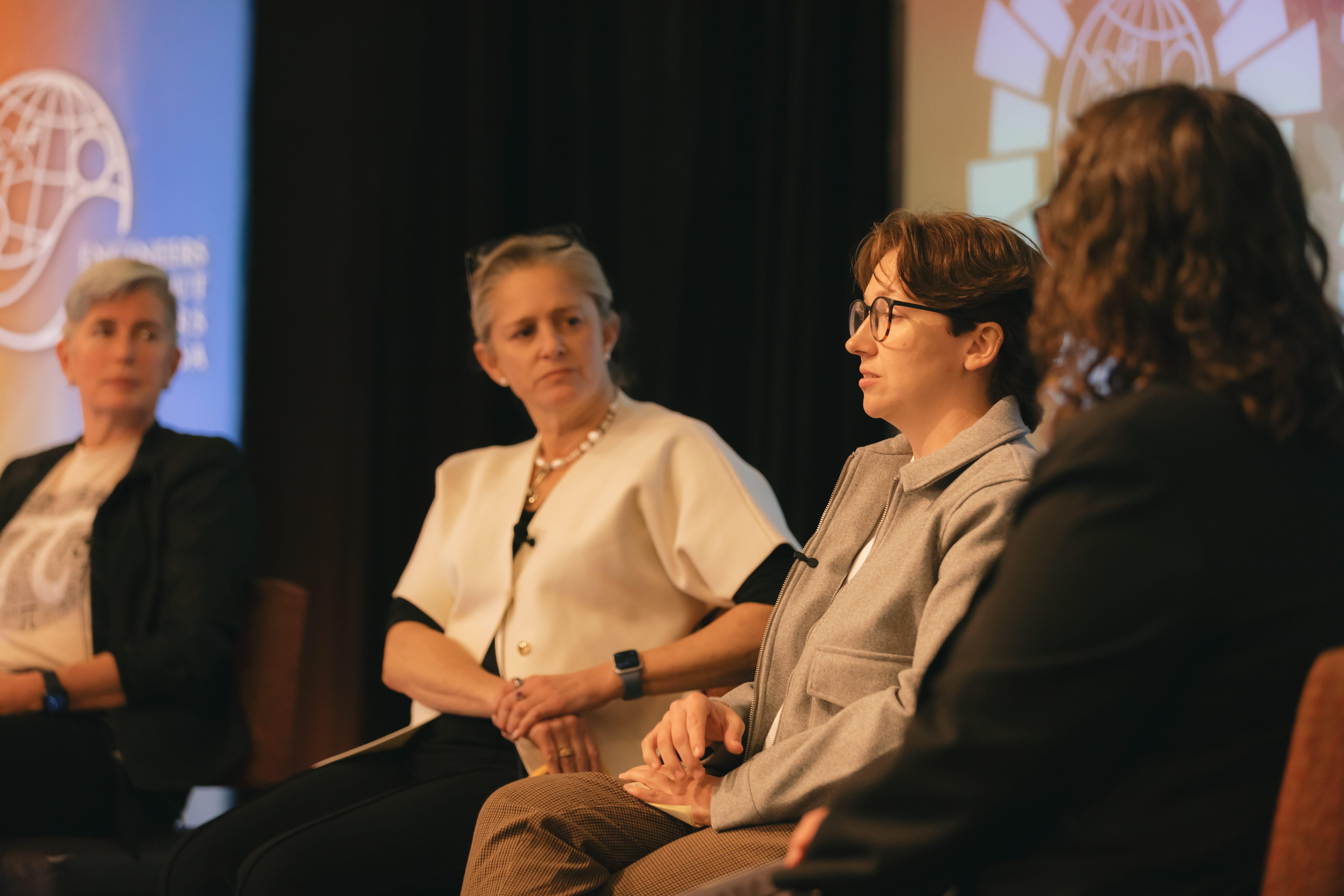
Maintenance over innovation: In a powerful session with leaders, including Dr. Cathrine Mohr, Dr. Cori Lathan, and Megan Lavery, I learned that ~80% of donated medical equipment in Kenya becomes nonfunctional within two years, with 40% never being utilized. This is because this equipment does not have the resources to be properly fixed and maintained, even though the people working on them are capable of using them for their life-saving purposes. The solution is already there; it needs to be properly maintained. As Dr. Mohr said, “The most useful piece of equipment is the piece of equipment you already have.”
Hydroponics against food insecurity: Hydroponic systems can play an important role in addressing food insecurity both domestically and globally. Because they use fewer resources, require less land, and operate in controlled environments independent of climate, they enable faster, year-round crop production without the limitations of land availability.
As a Biomedical Engineering and Engineering Design double major at Rose-Hulman Institute of Technology, these lessons strongly align with my passion for user-centered design, constantly involving stakeholders throughout the process to ensure solutions are not only technically sound but usable, maintainable, and meaningful.